
Details
 Address
Jardí Botànic de Plantes Medicinals de Gombrèn
Afores, s/n
ES - 17531 Gombren
Afores, s/n
ES - 17531 Gombren
Telefon: 972.730.300
Email: → info@jardibotanic-gombren.cat
Webseite: → http://jardibotanic-gombren.cat
Description
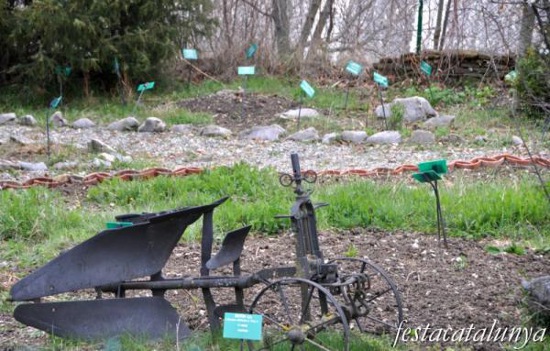
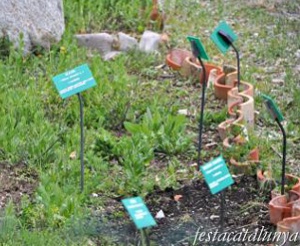
The garden was opened in 1995. A little space well looked after and where a large number of medicinal plants are cultivated. For lovers of traditional medicine is interesting the visit, to understand a thousand-year-old tradition used for people resident in countryside or mountains, most of times without doctor help due to the location or whether. There are a lot of species very known as Lemon verbena, thyme, mint, rosemary or valerian among others, and unknown species for people don’t link with medicine, pharmacy or botany. Every plant has a little poster with its various names and properties. More than 300 plantes.
Inside the plant premises are divided into 5 groups: wild plants, fragrant, garden, and vegetable cultivation. The largest group is the wild, they are a representative sample of the flora and gombrenesa ripollesa. You can find special plants such as mullein (Ramond myconi), in some other endangered species such as millet sun (Lithospermum officinale) or plants that not everyone knows how hops (Humulus Lupus). The aromatic group is a highly prized because they are well-known and some are used as a culinary seasoning and oregano (Origanum vulgare) or savory (Satureja montana) very abundant in our country. Some plants commonly found in gardens in the area are a small sample of plants that are used as ornamental and medicinal are like Easter lilies (Lilium candidum) and red bags (Physalis alkekengi). The cultivation of crops is a more typical representation of the region and very important medical and nutritional level: wheat, barley, corn, alfalfa ... At the end of the vegetable garden is a small Most home vegetable garden vegetables grown in this part such as beans, cabbage, tomato, garlic, onion .... This is a corner lot used by school groups on educational level.
Inside the plant premises are divided into 5 groups: wild plants, fragrant, garden, and vegetable cultivation. The largest group is the wild, they are a representative sample of the flora and gombrenesa ripollesa. You can find special plants such as mullein (Ramond myconi), in some other endangered species such as millet sun (Lithospermum officinale) or plants that not everyone knows how hops (Humulus Lupus). The aromatic group is a highly prized because they are well-known and some are used as a culinary seasoning and oregano (Origanum vulgare) or savory (Satureja montana) very abundant in our country. Some plants commonly found in gardens in the area are a small sample of plants that are used as ornamental and medicinal are like Easter lilies (Lilium candidum) and red bags (Physalis alkekengi). The cultivation of crops is a more typical representation of the region and very important medical and nutritional level: wheat, barley, corn, alfalfa ... At the end of the vegetable garden is a small Most home vegetable garden vegetables grown in this part such as beans, cabbage, tomato, garlic, onion .... This is a corner lot used by school groups on educational level.
Category
City Farm/School Farm
Variety garden
Variety garden
Opening hours
open from May to September
Admission price
Admission is free
Guided visits: 2 €/person
Guided visits: 2 €/person
Offer
Aimed at schools:
- Guided tours of the botanical garden with didactic material and educational work for children.
- Horticulture and gardening workshop
- Guided tours of the botanical garden with didactic material and educational work for children.
- Horticulture and gardening workshop
More infos
- it is possible to buy herbs
- Outside there is a picnic area decorated with plants complementary, ie. which are medicinal but for various reasons were not included in the interior, as the yew (Taxus baccata) and ginkgo (Ginkgo biloba). Next there is a vegetable plot intended for that Fagin´s workshop school horticulture and gardening, as well as a house cospostador and tools.
- Outside there is a picnic area decorated with plants complementary, ie. which are medicinal but for various reasons were not included in the interior, as the yew (Taxus baccata) and ginkgo (Ginkgo biloba). Next there is a vegetable plot intended for that Fagin´s workshop school horticulture and gardening, as well as a house cospostador and tools.
Infrastructure
Revision: 13. 04. 2021