
Details
 Address
Weald and Downland Open Air Museum
Town Lane Singleton
GB - PO18 0EU Chichester West Sussex
Town Lane Singleton
GB - PO18 0EU Chichester West Sussex
Telefon: 01 243 811348
Email: → office@wealddown.co.uk
Webseite: → http://www.wealddown.co.uk
Dimension
40 acre
Description
Come and discover rescued traditional rural buildings set in a beautiful landscape, which tell the stories of the men, women and children who lived and worked in them over a 950-year period. Enjoy the Museum’s 40-acre site and visit our collection of historic buildings – we have 50 to explore and many of our exhibit houses are furnished to recreate historic domestic interiors. There is a regular programme of domestic and craft demonstrations, including cooking in our Tudor kitchen; blacksmithing in our Victorian smithy; plus seasonal demonstrations. Take a walk in the woods, visit the café kiosk or enjoy your own picnic.
Farming & Livestock:
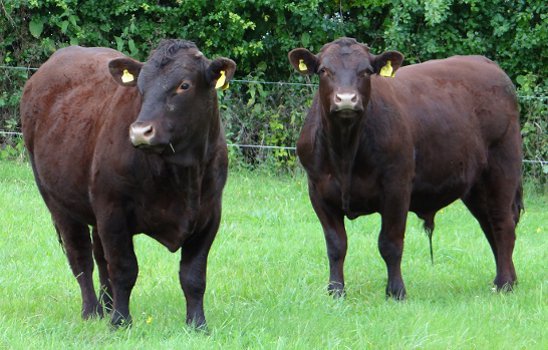
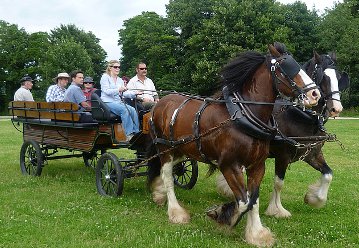
Shire horses can be seen hauling carts and helping with haymaking and harvesting, and Sussex cattle are used for occasional seasonal agricultural tasks. Woolly-faced Southdown sheep graze the downland turf and, in spring, lambs are folded in traditional sheepfolds. Hens peck in the straw around the Tudor farmstead and stables, and geese graze in the apple orchard. Two pigs, usually Tamworths, are lent to the Museum, in the warmer months, by a local farmer. They are housed in an enclosure opposite Tindalls Cottage – you can see them from the spring until the autumn.
Traditional cereal and root crops, hops and flax are grown in the Museum’s fields and around the Tudor farmstead. In the late summer, the wheat is reaped and stacked in traditional stooks, before being threshed at the Autumn Countryside Show using a steam-powered threshing machine. The separated grain is used to feed the chickens whilst the combed wheat reed is used as thatching straw for some of the Museum’s buildings. Traditional farm buildings such as barns, stables, sheds and granaries house agricultural vehicles and machinery are on display. You will find a display of late 19th and early 20th century farm vehicles and machinery in the Vehicle and Implement Gallery next to Whittaker’s Cottages.
Category
Openair museum/Ecomuseum
Opening hours
- Opening dates 2016
2 Jan - 28 Feb: Winter season: Wed, Sat & Sun only
15 Feb - 19 Feb: Half-term week, Open daily
29 Feb - 27 Nov: Main season, Open daily
28 Nov - 28 Feb 2017: Museum closed
- Opening times
10.30am - 6pm During BST (27 Mar - 29 Oct 2016)
10.30am - 4pm Outside BST
2 Jan - 28 Feb: Winter season: Wed, Sat & Sun only
15 Feb - 19 Feb: Half-term week, Open daily
29 Feb - 27 Nov: Main season, Open daily
28 Nov - 28 Feb 2017: Museum closed
- Opening times
10.30am - 6pm During BST (27 Mar - 29 Oct 2016)
10.30am - 4pm Outside BST
Admission price
- Adults: £13.00 (£11.50)
- Adults 65+: £12.00 (£10.50)
- Children 4 - 17 years/full-time students: £7.00 (£6.00)
- Family (2 adults + 3 children): £36.00 (£32.00)
- Adults 65+: £12.00 (£10.50)
- Children 4 - 17 years/full-time students: £7.00 (£6.00)
- Family (2 adults + 3 children): £36.00 (£32.00)
Events
See Calendar: http://www.wealddown.co.uk/whats-on/
More infos
Historic Gardens
There are six delightful period gardens at the museum that have been recreated to show the transition of gardens from the early 16th century through to the late 19th century. They show the herbs, vegetables and plants that would have met the needs of rural households. Each garden represents the period of the house and the social status of the householder. The earliest gardens are purely utilitarian, but as we move through the centuries and social levels some plants begin to be grown for their aesthetic qualities, the first beginnings of decorative planting and display on the public face of the garden.
Herbs were widely grown. As well as growing them for culinary purposes, ordinary country folk used herbs to make medicinal remedies, and a great deal of knowledge of domestic plant remedies was passed on from one generation to the next. Folklore played an important role: herbs such as St John’s wort were taken into the home to protect against evil spirits, a Rosemary bush grown close to the dwelling helped to keep the witches out, and Vervain by the doorstep attracted lovers!
We grow several heritage varieties of vegetables in the period gardens, many of which closely resemble the original varieties. Some of the vegetables grown are:
- Skirrets (a multi-rooted winter vegetable similar in taste to parsnips): introduced to Britain from East Asia in the 15th century, but fell out of fashion in the late 17th century.
- Broad bean varieties include Martock, thought to date back to the 13th century, Crimson Flowered, dating back to the 18th century, and a Victorian variety called Bunyard’s Exhibition.
- Carlin peas, which date back to the 16th century.
- Pink Fir Apple potatoes, one of the oldest varieties still in existence.
Infrastructure


 Public transport
Revision: 13. 04. 2021